

Overview
Gallstones are extremely common and, once they cause symptoms, they rarely settle for good. Laparoscopic cholecystectomy — keyhole removal of the gallbladder — is the definitive treatment, and one of the procedures Mr Peckham-Cooper performs most frequently, at a volume of more than 100 each year.
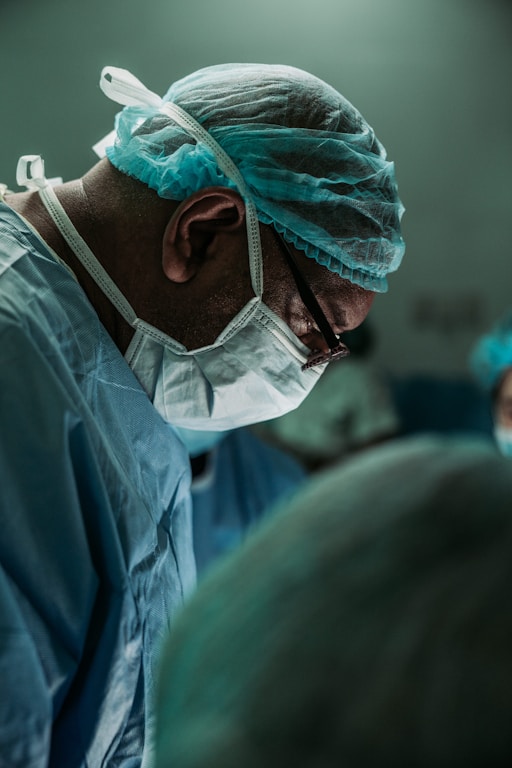
The operation is carried out through four small incisions using a high-definition camera and fine instruments. For most patients this means less pain, minimal scarring and a same-day return home.
When is surgery recommended?
Surgery is usually recommended once gallstones have caused symptoms or complications, including:
- Biliary colic — episodes of severe pain after eating
- Acute cholecystitis — inflammation or infection of the gallbladder
- Gallstone pancreatitis or jaundice caused by stones
- Persistent epigastric pain, bloating or nausea linked to gallstones
The procedure
The operation takes around 45–60 minutes under general anaesthetic. Mr Peckham-Cooper will talk you through each stage beforehand, so there are no surprises on the day.
- Anaesthetic & preparationYou are seen by the anaesthetist and surgical team, and the safety checklist is completed before you go to sleep.
- Keyhole surgeryThe gallbladder is carefully freed and removed through small incisions, with the bile duct protected throughout.
- Recovery & same-day dischargeYou wake in recovery, mobilise within hours and — for most patients — go home the same day with clear aftercare guidance.
Recovery & aftercare
Most patients are back to desk-based work within one to two weeks and resume normal activity within a month. You will go home with clear written guidance, direct contact details for the team, and a planned follow-up review. Enhanced-recovery principles are used throughout to get you moving, eating and home sooner.
Risks & considerations
Laparoscopic cholecystectomy is a safe, well-established operation, but as with any surgery there are risks — including bleeding, infection, bile leak and, rarely, injury to the bile duct or conversion to open surgery. Mr Peckham-Cooper will discuss these openly at your consultation so you can make a fully informed decision.