
What exactly are gallstones?
Gallstones are hard deposits, usually made of cholesterol, that form inside the gallbladder — the small pouch beneath the liver that stores bile. Around one in ten adults has them, and most will never know: silent stones found incidentally on a scan usually need no treatment at all.
The picture changes once stones start causing symptoms. A first attack of biliary colic — severe, gripping pain after a fatty meal — is rarely a one-off. Symptoms tend to recur, and each episode carries a small risk of complications such as cholecystitis, jaundice or pancreatitis.
“Once gallstones have caused symptoms, they rarely settle for good. The question is not usually if surgery will help — it is when to do it, safely and conveniently.”
The symptoms that matter
Not all abdominal pain is gallstones. The typical pattern is pain in the upper right abdomen or centre of the chest after eating, sometimes radiating to the back or shoulder blade, lasting from thirty minutes to several hours — often with nausea or bloating.
- Recurring pain after meals, especially fatty food
- Attacks that wake you at night or last for hours
- Fever, jaundice or dark urine — red flags needing same-day review
- Symptoms affecting what you eat, your work or your sleep
So when is surgery the right answer?
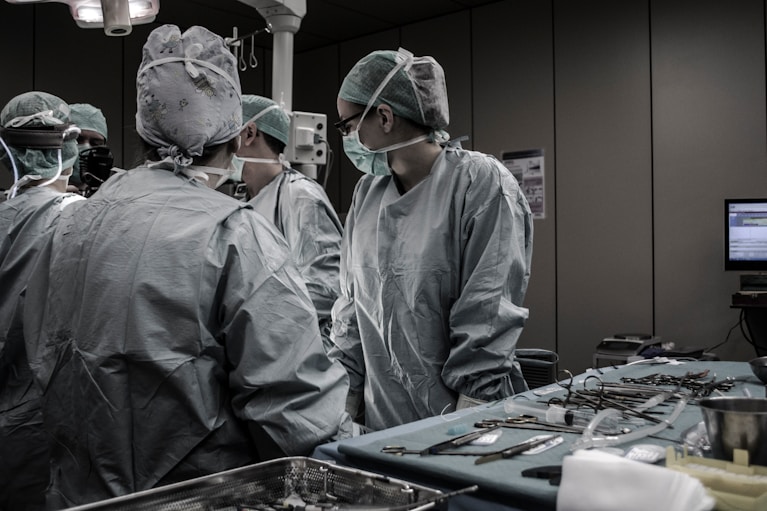
Surgery — laparoscopic cholecystectomy, or keyhole removal of the gallbladder — is recommended once stones are causing recurrent symptoms or have caused a complication. It is the definitive treatment: it removes the stones and prevents them returning. For most patients it is a day-case procedure with a return to desk work within one to two weeks.
If your gallstones were found incidentally and cause no symptoms, the honest advice is usually to leave them alone. A consultation is about weighing your symptoms, your scan findings and your circumstances — and making a plan that is right for you, not simply operating by default.